
For defense tech companies, defense manufacturers, and contractors of the Armed Forces
Lie Detector for Defense Tech Companies and Contractors
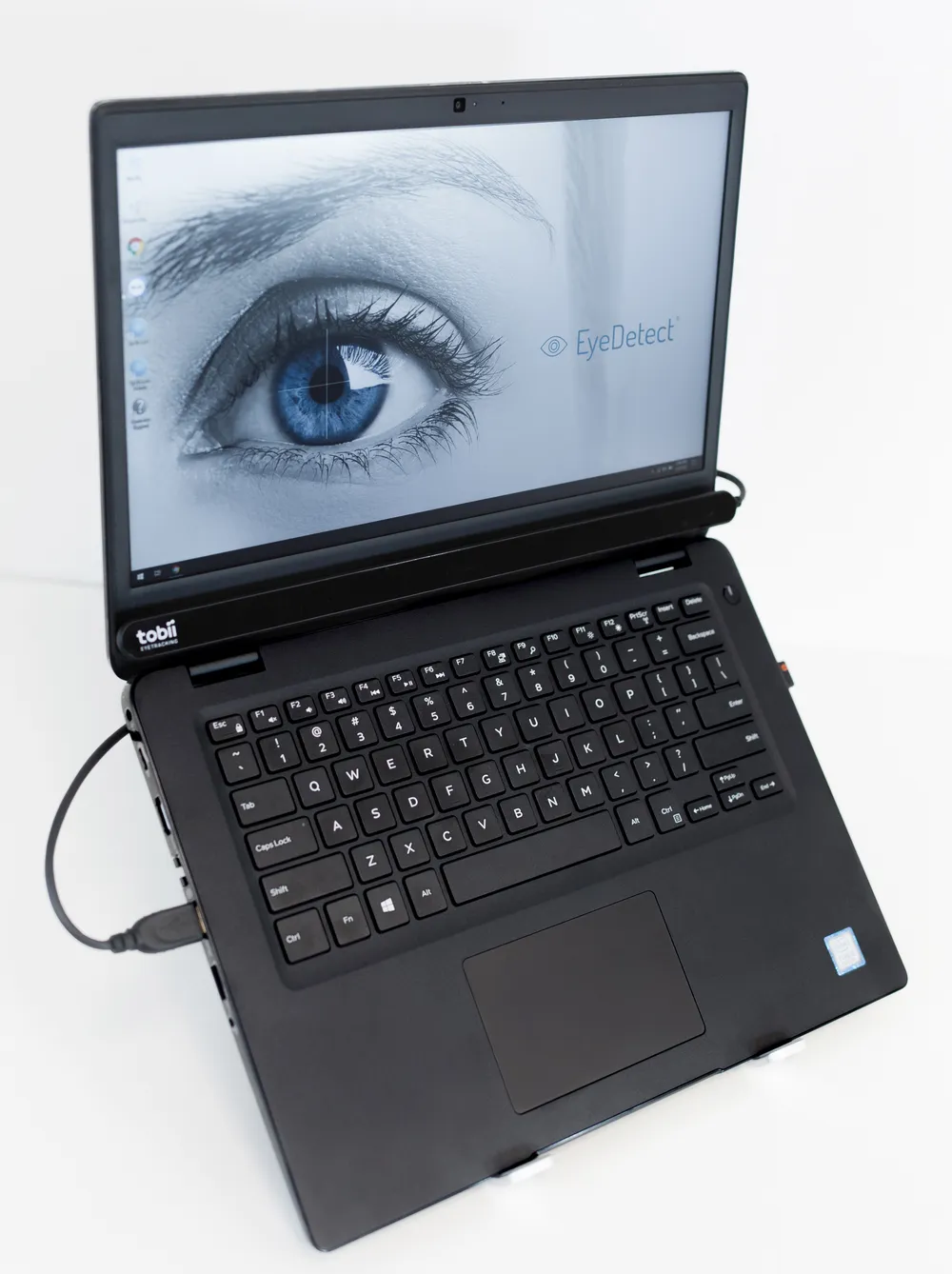
Drawings, suppliers, volumes, and delivery dates interest the enemy no less than the finished product. EyeDetect checks facts: contacts with Russia and occupied territories, passing files to outsiders, theft of components. The test complements your security department's internal vetting and is run at your site.
- on-site anywhere in Ukraine
- 30–45 minutes per person, 6–8 a day
- 86–90% accuracy
- report only to the authorized person
Where it helps
Access to sensitive information
Before an engineer, process technologist, or procurement manager gets access to drawings, technical specifications, and the supplier database. One test before granting access, instead of an investigation after a leak.
Ties to Russia and occupied territories
Contacts with representatives of Russia, trips to occupied territories, passing information to relatives or acquaintances within a period. Questions only about the facts of contact, not about views or origin.
Leaks of drawings and documentation
Copying files to media, taking photos on the production floor, forwarding via messengers. Testing those who had access to a specific project.
Supplier database and prices
Who sells you boards, optics, motors, batteries, and at what price is often worth more than the product itself. A leak of this information disrupts supply. We test the fact of passing on the data.
Theft of components
Small components disappear from the warehouse and production floor unnoticed, and they have a market price. Testing the people with access narrows the circle in a single day.
Periodic screening
Every 6–12 months for those who work with sensitive information. When the team knows screening is part of the rules, the number of violations drops.
What can be tested
- passing drawings or files to outsiders
- contacts with representatives of Russia within a period
- trips to occupied territories
- taking photos on the production floor
- theft of components and materials
- passing on supplier and pricing data
- bribes from suppliers
- hidden ties to competitors
- false information when being hired
How the test works
- 01
Agreeing on the questions
Together we formulate specific questions about facts. You receive the wording in advance.
- 02
Test: 15–30 minutes
The person answers “true” or “false” on screen while the camera records eye reactions. No sensors on the body.
- 03
Scoring in 5 minutes
The data is encrypted and sent to the Converus server; the algorithm computes a Credibility Score from 1 to 99.
- 04
Report and explanation
You receive a PDF report right after the test, and the examiner explains what the numbers mean and what to do next.
What the security department should know
The test complements the security department's internal vetting; it does not replace it. It is not a formal clearance and creates no legal consequences on its own. The result is not admissible evidence in court; it is a basis for an access decision or an internal investigation. Testing is done only with written consent, and the employee may refuse.
Questions concern only specific facts and periods: passing files, contacts, trips, money, property. Views, origin, family ties as such, health, politics, and religion are not tested. You approve the wording of the questions in advance, and the employee reads them before the test.
Confidentiality. The test takes place at your site, in your premises, on our equipment. The data is encrypted and sent to the Converus server for scoring. Only the authorized person receives the PDF report. On request, the test is tied to a number rather than a name, and no photo is taken. Format: EyeDetect, 30–45 minutes per person, 6–8 people a day, from UAH 5,500. Travel within Lviv region is included, Western Ukraine +UAH 2,000, other regions from UAH 12,000 including the test. Business pricing is individual; we send a quote the same day.
When to run the screening
Before granting access
New employees and those being moved to a project with sensitive information. A test before access to drawings and systems is opened.
Periodically
Every 6–12 months for engineers, procurement, warehouse, and IT. Questions cover the period since the previous screening.
After an incident
A leak, missing components, a suspected contact with the enemy. Testing everyone who had access in one or two site visits.
Contractors and temporary staff
Installers, drivers, guards, outsourced staff. Those who see the production floor but have not been through your internal vetting.
Discuss your case
Tell us who and what needs to be checked. We reply within an hour during business hours and suggest a test format for your situation.