
Eye-based polygraph, scientifically proven in the US
Lie Detector in Lviv
- The choice of US and European law enforcement
- Automated result: scored by an algorithm, not a person
Can't come in person?VerifEye online test from a smartphone
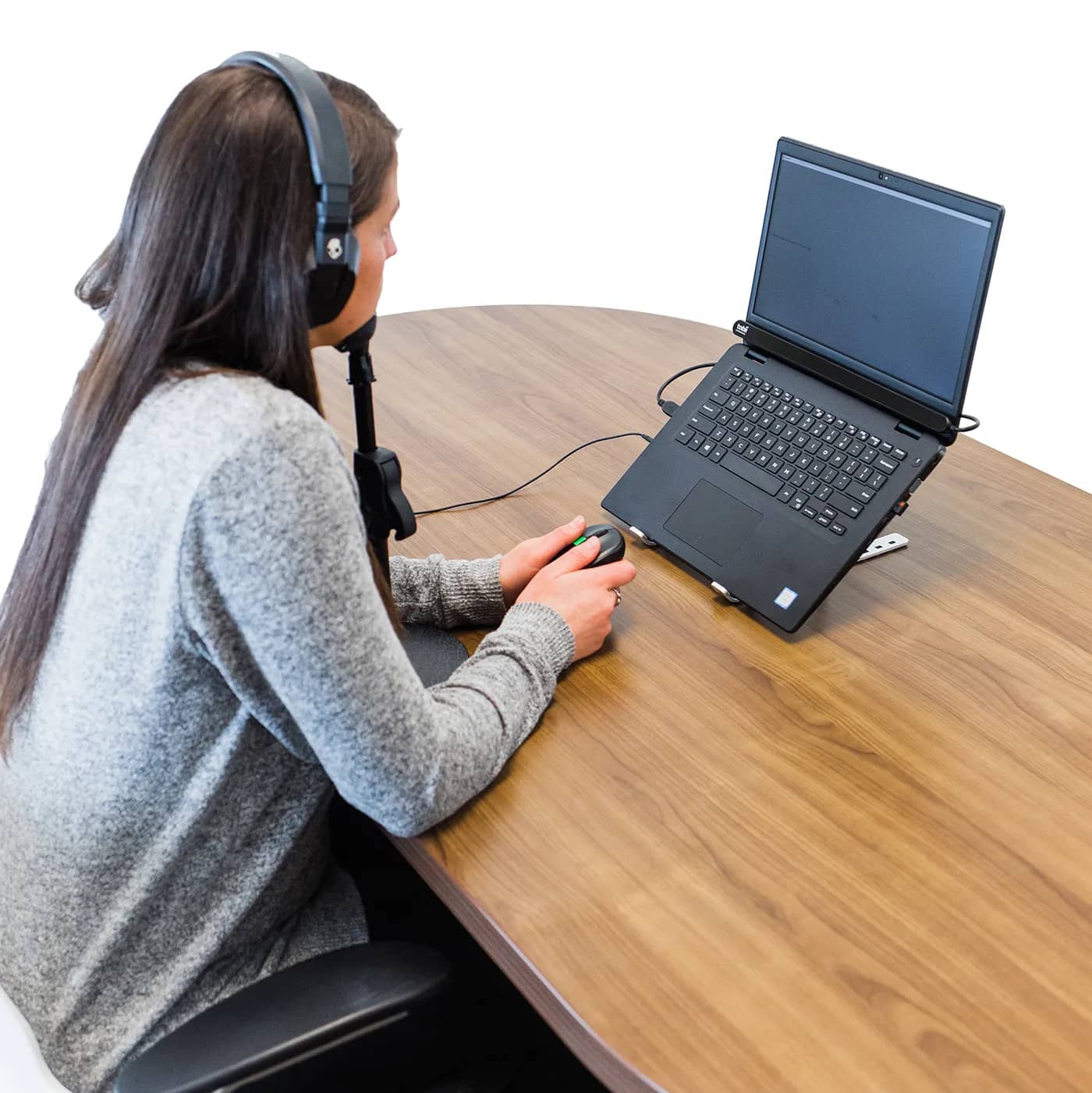
The camera records changes in pupil size, eye movements, blinks and other involuntary reactions.
86–90%
EyeDetect accuracy according to research
30–45 min
test duration, no body sensors
500 000+
tests conducted worldwide
60+
countries use EyeDetect
Two ways to learn the truth
In our Lviv office or on-site
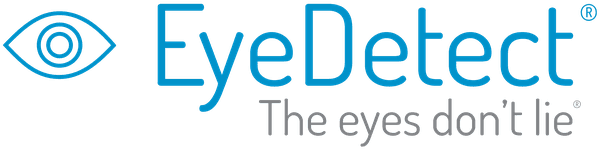
A test on Converus equipment in Lviv or on-site at your location, with the examiner present.
- 30–45 minute test
- 86–90% accuracy
- PDF report within 5 minutes
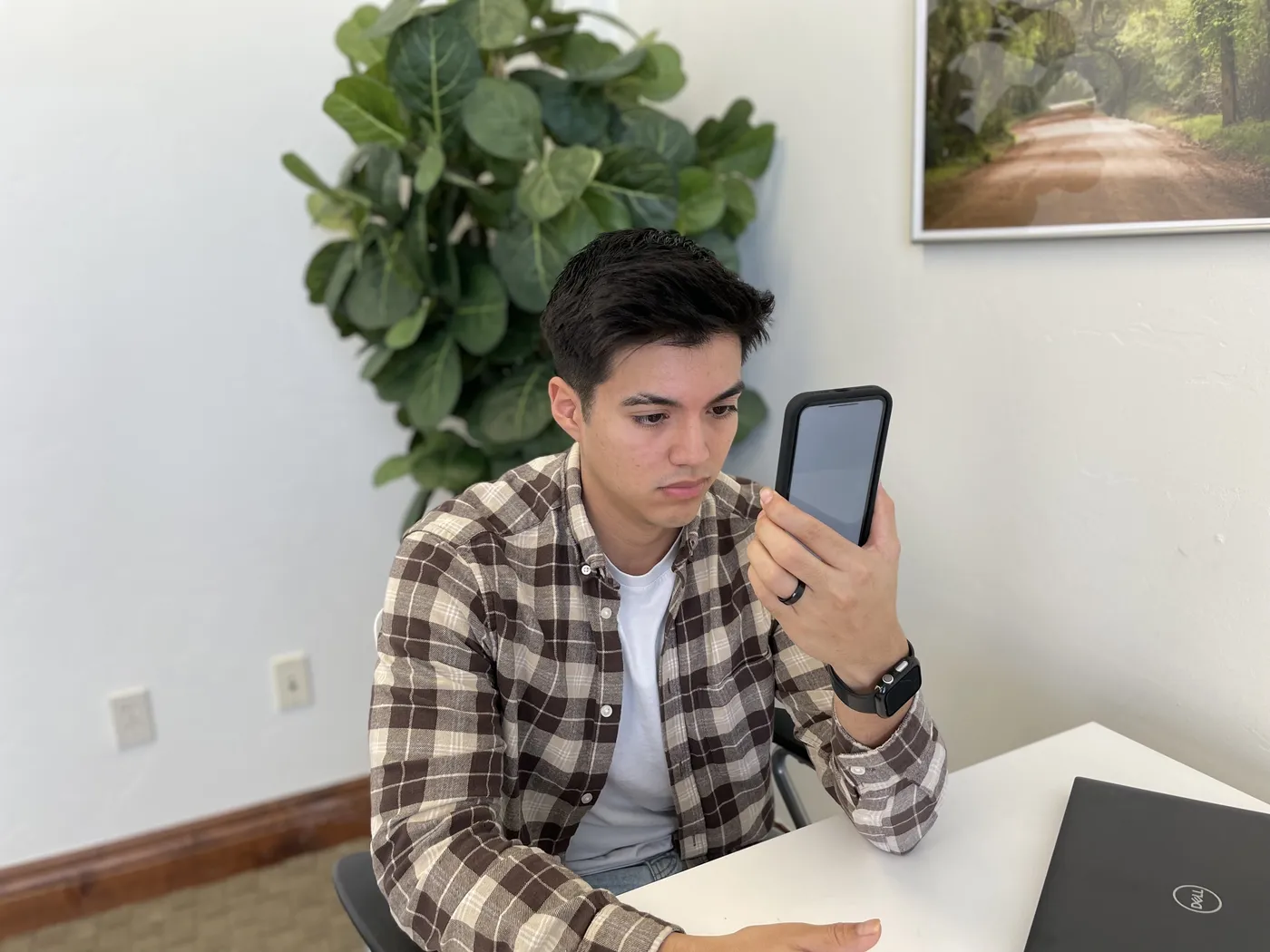
Online from a phone
The person opens a link in the VerifEye app on their smartphone, listens to the questions and answers out loud. The algorithm evaluates the eye reactions.
- 15–20 minute test
- 84–89% accuracy
- PDF report within 5 minutes
How the test works
01
Conversation and question design
You explain the situation and together we formulate 1–3 specific questions.
02
A 30–45 minute test
The person sits in front of a camera and answers “true” or “false” to statements. The equipment records eye reactions that cannot be controlled.
03
Report right after the test
The Converus algorithm calculates the Credibility Score within 5 minutes. You receive an automated PDF report.
Situations where EyeDetect helps
The EyeDetect lie detector in Lviv is used when you need to quickly verify whether a person is telling the truth, narrow down the possible scenarios and make a decision based on a structured test.
Theft, bribery and financial misconduct
EyeDetect is used in cases involving suspected asset theft, illicit gains, hidden side agreements, payment manipulation or abuse of position. The test verifies specific factual claims rather than general suspicions and helps narrow down the list of persons of interest.
Learn moreConfidential information leaks
When proprietary information surfaces with competitors, partners or third parties, a polygraph test helps establish whether a specific individual was involved in disclosing it. Relevant for protecting trade secrets, client databases and internal documents.
Learn moreStaff integrity screening
EyeDetect is used during HR screening or internal reviews when the risks associated with a current employee need to be assessed. The test clarifies whether the person is concealing material facts that could affect the trust placed in them.
Learn moreFidelity testing in private cases
In private cases, EyeDetect verifies specific claims raised by one of the parties — regarding partner fidelity, family financial matters or material facts from the past. Testing is fully confidential — only the client receives the report.
Learn moreDisputes with no direct evidence
There are situations where it is one person's word against another's. EyeDetect tests specific versions of events and provides an objective basis for decisions — especially valuable when you need to act quickly with limited information.
Learn morePre-employment candidate screening
The EyeDetect polygraph is used when hiring for high-responsibility roles: finance, security, access to inventory or client databases. The check surfaces hidden risks before the candidate joins the company.
What you receive
A written EyeDetect report with a Credibility Score. Below is a real report with the client’s data blurred.
- A Credibility Score from 1 to 99: 50 and above is “credible”, below 50 is “not credible”. In a multi-topic test, each topic gets its own score
- Answers to every statement, so you can see how the score was formed
- If the algorithm could not score the test (instructions not followed, random answers, eye or lighting problems), the result is treated as inconclusive. We repeat the test at our expense
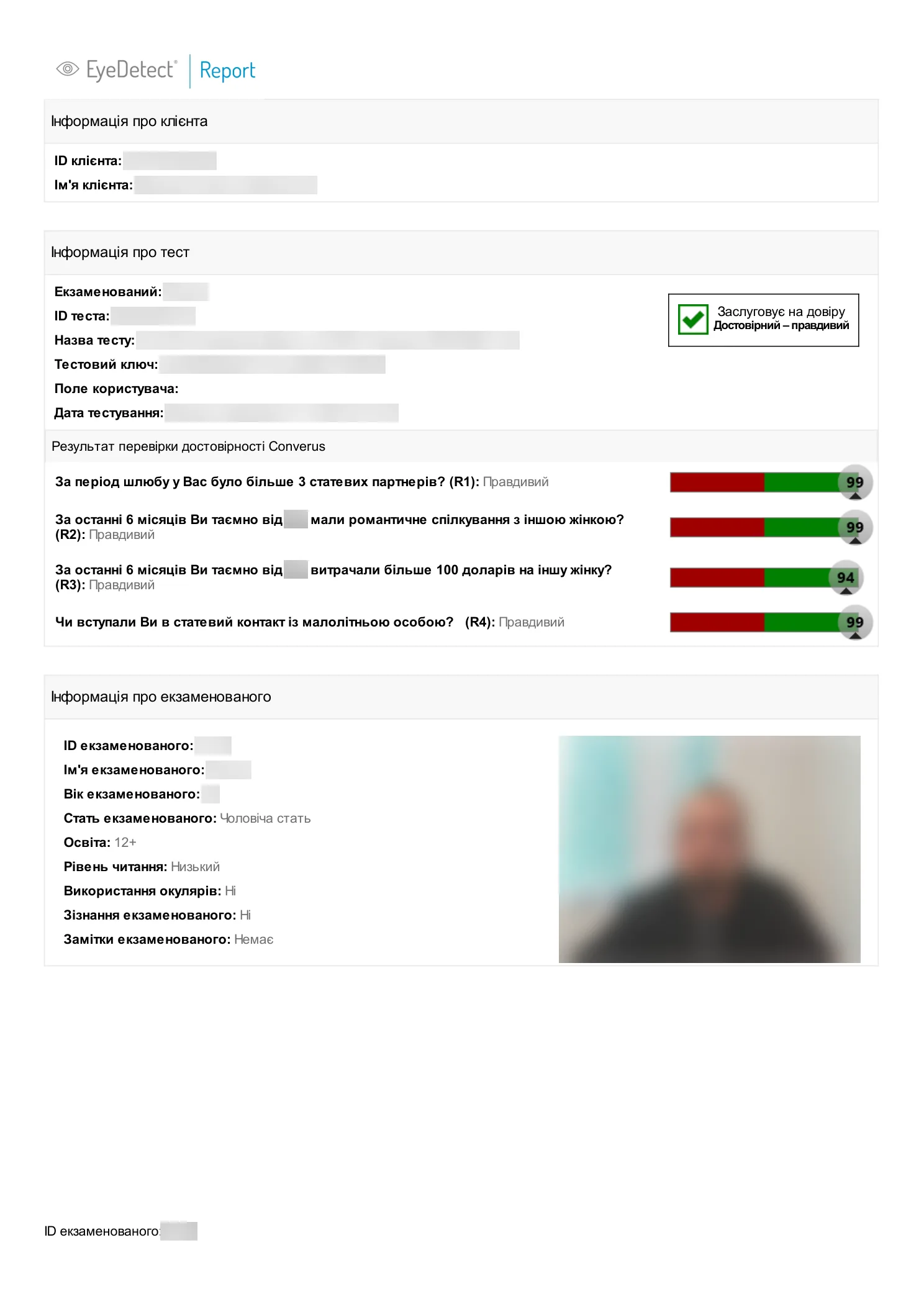
A real EyeDetect report, fidelity test. Personal data blurred.
The EyeDetect technology and the expert behind it
EyeDetect was developed by Converus, a US company. Testing is conducted by Nataliia Marynyak, a psychologist and certified specialist in ocular-motor deception detection.
An expert approach that delivers results:
Official certification — direct cooperation with and professional training from Converus Inc.
Psychological support — the examiner's academic background in psychology ensures precise question wording and a comfortable atmosphere during the test.
Modern methodologies — internal audits, staff screening and investigations conducted according to the manufacturer's protocols.
Russ Warner, Chief Commercial Officer at Converus (USA), and Nataliia Marynyak, certified EyeDetect expert in Ukraine

Professional education and certification


EyeDetect lie detector worldwide: 1,000+ Converus clients and 500,000+ tests in 60 countries

Frequently asked questions
EyeDetect is an automated lie-detection technology developed by U.S. company Converus. Unlike a classic polygraph, no sensors or wires are attached to the body. The examinee simply sits in front of a monitor equipped with a high-precision infrared camera and answers “true” or “false” questions. The camera captures involuntary eye reactions that cannot be consciously controlled.
The technology was developed by scientists at the University of Utah (USA) based on more than 20 years of research. It builds on the cognitive load principle: lying requires significantly more mental effort than telling the truth. The EyeDetect camera records pupil micro-dilations, reading speed, blink rate and gaze fixation duration, and the algorithm weighs dozens of measures. The methodology is validated in peer-reviewed scientific publications.
First, the examiner reviews the situation with you and formulates the test questions together. Next comes a brief instruction phase and camera calibration. The test itself takes place on a computer where you read a series of statements and answer true or false. When finished, the data is encrypted automatically and transmitted to a secure Converus server, where the algorithm generates the report. The full visit usually takes about an hour.
According to official data from the developer, Converus, the technology's accuracy is 86–90% depending on the test format. This is one of the highest figures among all modern credibility assessment methods. According to Converus, if EyeDetect and a classic polygraph are run separately and their results agree, confidence in the conclusion is about 97%. This is not the accuracy of a single EyeDetect test.
The test itself takes 30–45 minutes — 2 to 3 times faster than a classic polygraph. Including the pre-test interview, instruction and calibration, the full visit usually takes about an hour. The result is generated automatically in under 5 minutes after the test ends.
It is hard to do. Pupil size is regulated by the autonomic nervous system, and a person cannot control it consciously. The fast pace of the statements makes countermeasures harder; answering at random makes the test invalid.
The score is calculated by the Converus algorithm; the examiner cannot manually change the calculated score. Encrypted test data is automatically sent to a secure Converus server, where the algorithm generates the report. The examiner is responsible for the wording of the questions, the test conditions and explaining the report.
After the test you receive a Converus report containing a Credibility Score — a numerical value from 1 to 99 reflecting the likelihood that the answers are truthful. The report also shows responses to every test question and the final conclusion. The report helps you make a management, HR or personal decision. It is not evidence in a Ukrainian court.
Because the technology relies on reading and gaze tracking, a few conditions apply: the examinee must read the test language fluently (Ukrainian, Russian, English etc.), have normal vision (glasses and contacts are fine) and no acute ophthalmological conditions. Preparation is simple: get a good night's sleep, and 2–3 hours before the test avoid energy drinks, large amounts of coffee and sedatives.
Yes, it is safe. The technology is fully contactless and passive — no sensors are attached to the body. The camera's infrared illumination meets international safety standards and is comparable in exposure to the Face ID system in modern smartphones or routine laptop use.
The price depends on the type of examination, the number of topics covered and the test format (staff screening, incident investigation, partner verification, etc.). EyeDetect in Lviv starts from UAH 5,500, and the VerifEye online test from UAH 2,500. The specialist will give you the exact price for your situation: send a request through the price calculator on this site or call us for a free consultation.
You can take the EyeDetect lie detector test at: 45 Horodotska St., Lviv. We also provide on-site testing across Ukraine and Europe. Book a consultation by phone or via the form on this site and we'll arrange a convenient time for you.
Contact us
- To book an EyeDetect polygraph (lie detector) test, leave your details in the form or reach us via the contacts listed.